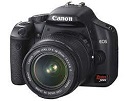
This camera selector is a guide designed to give you some camera recommendations. Use it to choose the camera that best suits you. Your specific individual results are based upon your stated preferences. Consider your results as a "second opinion". You might find that these questions will give you some points to ponder that you may not have considered before. This selector includes links to cameras for sale--many at discounted prices.





 to give you some camera recommendations. Use it to choose the camera that best suits you. Your specific individual results are based upon your stated preferences. Consider your results as a "second opinion". You might find that these questions will give you some points to ponder that you may not have considered before. This selector includes links to cameras for sale--many at discounted prices.